Di era digital yang berkembang pesat pada tahun 2026, bahasa gaul telah bertransformasi menjadi instrumen komunikasi yang sangat dinamis. Salah satu istilah yang mendominasi percakapan di media sosial adalah "effort". Meskipun secara etimologis berakar dari bahasa Prancis Tengah esforz dan esfort, penggunaan kata ini dalam konteks bahasa gaul Indonesia telah mengalami pergeseran makna yang signifikan menjadi sebuah tolok ukur kesungguhan individu.

Dekonstruksi Etimologis dan Semantik Kata Effort
Secara linguistik, effort dikategorikan sebagai noun (kata benda) yang merujuk pada aktivitas fisik atau mental yang diperlukan untuk mencapai hasil tertentu. Dalam kamus bahasa Inggris, istilah ini melambangkan proses pengerahan tenaga. Namun, dalam ekosistem bahasa gaul 2026, arti kata effort dalam bahasa gaul telah mengalami perluasan cakupan menjadi "upaya ekstra" atau "dedikasi yang melampaui standar normal".
Penggunaan istilah ini tidak lagi terbatas pada konteks teknis pekerjaan, melainkan telah merambah ke ranah psikologis dan relasional. Ketika seseorang melontarkan kata "effort" di platform seperti TikTok atau Instagram, mereka merujuk pada investasi emosional yang dikeluarkan oleh individu lain untuk mencapai tujuan atau mempertahankan suatu kondisi.
Dimensi Effort dalam Hubungan Asmara (Relationship)
Dalam dinamika hubungan percintaan, effort sering kali menjadi kriteria utama dalam mengevaluasi kualitas pasangan. Konsep ini mencakup berbagai tindakan nyata yang menunjukkan prioritas dan komitmen.

Manifestasi Nyata Effort dalam Hubungan
- Alokasi Waktu: Menginvestasikan waktu berkualitas di tengah kesibukan untuk menjaga kedekatan.
- Dukungan Emosional: Memberikan validasi dan kehadiran saat pasangan menghadapi tantangan hidup.
- Pemberian Apresiasi: Melakukan tindakan kecil seperti memberikan hadiah atau pujian yang tulus.
- Resolusi Konflik: Kesediaan untuk bernegosiasi dan mencari jalan tengah saat terjadi gesekan.
Penting untuk dicatat bahwa dalam hubungan, effort dianggap sebagai bentuk "bahasa cinta" yang paling nyata. Pasangan yang dianggap minim effort sering kali dipandang kurang memiliki komitmen, yang pada akhirnya memicu ketidakpuasan dalam hubungan tersebut.
Effort sebagai Indikator Produktivitas dan Profesionalisme
Selain dalam hubungan personal, istilah ini juga sangat relevan dalam dunia profesional tahun 2026. Effort dalam konteks pekerjaan merujuk pada konsistensi, inisiatif, dan dedikasi yang diberikan karyawan untuk mencapai target perusahaan.

Strategi Implementasi Effort di Tempat Kerja
- Inisiatif Proaktif: Tidak menunggu instruksi untuk memberikan solusi atas masalah yang ada.
- Pengembangan Diri: Melakukan upaya sadar untuk meningkatkan skill set agar relevan dengan tuntutan industri yang berubah cepat.
- Kolaborasi Tim: Memberikan kontribusi maksimal dalam kerja kelompok untuk mencapai hasil kolektif yang optimal.
Di lingkungan kerja modern, effort sering dikaitkan dengan istilah seperti all-out effort (upaya habis-habisan) atau conscious effort (upaya sadar), yang menjadi indikator kunci dalam penilaian kinerja karyawan.
Analisis Psikologis di Balik Fenomena "Effort"
Mengapa istilah ini menjadi begitu viral? Secara psikologis, manusia memiliki kebutuhan dasar untuk merasa dihargai. Ketika seseorang memberikan effort, mereka secara tidak langsung mengirimkan sinyal bahwa orang lain atau tujuan tersebut memiliki nilai (value) yang tinggi bagi mereka.

Dalam konteks media sosial, effort menjadi alat untuk mengukur "validasi". Seseorang yang tidak memberikan effort dianggap tidak cukup peduli atau tidak serius. Sebaliknya, mereka yang memberikan "best effort" sering kali mendapatkan apresiasi sosial yang lebih besar dari lingkungan sekitarnya.
Evolusi Penggunaan dalam Percakapan Sehari-hari
Penggunaan effort dalam bahasa gaul telah mengalami diversifikasi. Ia kini digunakan untuk berbagai situasi, mulai dari melembutkan kritik hingga mengekspresikan kekecewaan.
- Sebagai Pujian: "Gue salut sama effort lo buat ngebangun bisnis ini dari nol."
- Sebagai Kritik: "Kamu kurang effort sih, makanya dia ilang gitu aja."
- Sebagai Ekspresi Frustrasi: "Effort gue udah banyak banget, tapi dia masih aja cuek."
Pergeseran ini menunjukkan bahwa kata ini telah menjadi "pelumas" komunikasi yang efektif untuk menyampaikan ekspektasi yang kompleks dalam bentuk yang singkat dan padat.
Peran Effort dalam Pendidikan dan Pengembangan Diri
Dalam dunia pendidikan 2026, effort adalah prediktor utama kesuksesan akademik. Mahasiswa atau siswa yang memahami bahwa hasil akhir adalah akumulasi dari upaya yang berkelanjutan akan cenderung memiliki tingkat resiliensi yang lebih tinggi.

- Konsistensi: Belajar secara rutin jauh lebih efektif daripada sistem kebut semalam.
- Adaptabilitas: Kemampuan untuk menyesuaikan metode belajar ketika menghadapi materi yang sulit.
- Fokus pada Proses: Menghargai setiap langkah kecil yang diambil dalam proses pembelajaran.
Dengan menginternalisasi konsep effort, individu tidak hanya mengejar nilai angka, tetapi juga membangun karakter yang tangguh dan adaptif terhadap tantangan.
Mengukur "Effort" yang Sehat vs. Toksik
Walaupun effort adalah hal positif, penting untuk membedakan antara upaya yang sehat dan upaya yang bersifat toksik. Healthy effort adalah ketika seseorang berupaya karena keinginan internal untuk tumbuh atau berbagi cinta. Sebaliknya, toxic effort terjadi ketika seseorang memaksakan diri secara berlebihan demi mendapatkan validasi dari pihak yang tidak menghargai mereka.

Indikator Effort yang Sehat
- Adanya timbal balik yang setara dalam hubungan.
- Tidak mengorbankan kesehatan mental atau fisik secara drastis.
- Dilakukan dengan kesadaran penuh, bukan karena paksaan atau rasa takut akan ditinggalkan.
Memahami batasan ini sangat krusial bagi generasi muda agar tidak terjebak dalam siklus "pengorbanan" yang tidak memberikan dampak positif bagi diri sendiri maupun orang lain.
Dinamika Ekspektasi Sosial terhadap "Effort" di Era Digital
Fenomena effort dalam bahasa gaul tidak berdiri sendiri; ia merupakan cerminan dari budaya "performative" yang marak di media sosial. Di platform seperti TikTok dan X (Twitter), effort sering kali dikonstruksikan sebagai komoditas yang bisa diukur dan dipamerkan. Hal ini menciptakan standar baru dalam interaksi sosial di mana "usaha yang tidak terlihat" sering dianggap sebagai "usaha yang tidak ada" (Source 1).
Dampak Konstruksi Sosial pada Persepsi Individu
- Normalisasi Validasi Eksternal: Kebutuhan untuk memamerkan upaya (misalnya: mengunggah foto hadiah atau kejutan) telah menggeser esensi effort dari ketulusan menjadi alat validasi sosial.
- Erosi Privasi dalam Hubungan: Karena effort harus "terlihat", batasan antara ruang privat dan publik menjadi kabur, yang sering kali memicu tekanan psikologis bagi pasangan untuk terus tampil sempurna.
- Komodifikasi Perasaan: Terjadi pergeseran di mana tindakan afeksi dipandang sebagai transaksi ekonomi, di mana "biaya" (waktu, uang, tenaga) harus sebanding dengan "keuntungan" (status hubungan, perhatian).
Analisis sosiologis menunjukkan bahwa ketika effort dijadikan standar utama dalam menilai seseorang, terjadi pendangkalan makna terhadap komitmen jangka panjang yang bersifat esensial namun tidak selalu spektakuler atau "Instagrammable" (Source 3).
Perbandingan Terminologi: Effort, Sacrifice, dan Commitment
Dalam diskursus bahasa gaul, sering terjadi kerancuan antara effort, sacrifice (pengorbanan), dan commitment (komitmen). Meskipun ketiganya saling berkaitan, secara semantik terdapat perbedaan fundamental yang perlu dipahami agar tidak terjadi disonansi kognitif dalam hubungan interpersonal.
Diferensiasi Konseptual
- Effort (Upaya): Merupakan tindakan proaktif yang dilakukan untuk mencapai hasil jangka pendek atau menengah. Sifatnya dinamis dan bisa ditingkatkan atau dikurangi sesuai kebutuhan.
- Sacrifice (Pengorbanan): Merupakan bentuk effort ekstrem di mana seseorang melepaskan kepentingan pribadinya demi kepentingan orang lain. Berbeda dengan effort yang bersifat konstruktif, pengorbanan yang berlebihan tanpa timbal balik dapat mengarah pada burnout emosional.
- Commitment (Komitmen): Merupakan landasan struktural yang menjaga hubungan tetap berjalan meskipun effort sedang berada di titik terendah. Komitmen adalah keputusan sadar untuk tetap bersama, terlepas dari fluktuasi intensitas upaya.
Memahami batasan ini membantu individu untuk tidak terjebak dalam ekspektasi yang tidak realistis. Seseorang mungkin memiliki komitmen yang kuat meskipun pada saat tertentu tidak mampu memberikan effort yang besar karena kendala eksternal (Source 4).
Peran Teknologi dalam Memfasilitasi "Effort"
Teknologi digital tahun 2026 telah memberikan kemudahan sekaligus tantangan baru dalam memberikan effort. Di satu sisi, teknologi memungkinkan seseorang untuk memberikan perhatian jarak jauh dengan lebih efektif, namun di sisi lain, ia menciptakan ekspektasi "ketersediaan 24/7" yang tidak sehat.

Strategi Digital dalam Menunjukkan Effort
- Hyper-Personalization: Menggunakan data atau preferensi digital pasangan untuk memberikan pengalaman yang sangat personal, seperti kurasi playlist atau rekomendasi konten yang relevan dengan minat mereka.
- Virtual Presence: Memanfaatkan fitur co-viewing atau gaming bersama untuk menciptakan ruang interaksi meskipun secara geografis terpisah.
- Intentional Communication: Mengirimkan pesan yang substansial daripada sekadar basa-basi, sebagai bentuk conscious effort untuk menjaga kedekatan emosional.
Namun, ketergantungan pada teknologi ini juga bisa menciptakan "ilusi kedekatan". Effort yang hanya dilakukan secara digital sering kali kurang memiliki kedalaman dibandingkan dengan interaksi fisik yang melibatkan kehadiran nyata (Source 2).
Analisis Komparatif: Effort dalam Budaya Barat vs. Indonesia
Penerapan istilah effort dalam bahasa gaul Indonesia memiliki nuansa yang berbeda dibandingkan dengan penggunaan aslinya di negara-negara Barat. Di Indonesia, effort sering kali dikaitkan dengan tradisi "memperjuangkan" gebetan atau pasangan, yang memiliki akar budaya patriarki yang cukup kuat, di mana laki-laki diharapkan menjadi pihak yang lebih aktif memberikan effort (Source 5).
Karakteristik Budaya dalam Pemberian Effort
- Budaya Kolektif vs. Individualis: Di Indonesia, effort sering kali melibatkan elemen keluarga besar atau lingkungan sosial, sedangkan di Barat, fokusnya lebih pada dinamika dua individu.
- Nilai "Perjuangan": Dalam konteks lokal, ada glorifikasi terhadap "perjuangan" atau effort yang sulit dilakukan, yang dianggap sebagai bukti cinta yang lebih otentik dibandingkan dengan tindakan pragmatis.
- Ekspektasi Gender: Terdapat ketimpangan ekspektasi di mana pihak laki-laki sering dituntut memberikan effort lebih besar dalam bentuk finansial maupun waktu, sementara pihak perempuan sering kali menjadi penilai dari kualitas effort tersebut.
Dinamika ini menunjukkan bahwa arti kata effort dalam bahasa gaul tidak hanya sekadar adopsi bahasa, tetapi juga adaptasi nilai-nilai sosial yang sedang berlaku di masyarakat saat ini (Source 1).
Efek Psikologis "Low Effort" pada Kesehatan Mental
Individu yang terus-menerus menerima atau melakukan low effort dalam hubungan atau pekerjaan dapat mengalami dampak psikologis yang signifikan. Fenomena ini sering disebut sebagai relational fatigue atau kelelahan relasional, di mana seseorang merasa tidak lagi mampu memberikan upaya karena tidak adanya timbal balik yang sepadan.
Dampak Negatif dari Ketimpangan Effort
- Penurunan Self-Esteem: Ketika seseorang merasa usahanya tidak dihargai, mereka cenderung meragukan nilai diri mereka sendiri.
- Kecemasan Sosial: Adanya tekanan untuk terus memberikan effort agar tidak kehilangan pasangan atau posisi pekerjaan dapat memicu kecemasan kronis.
- Resentment (Kebencian Terpendam): Akumulasi dari effort yang tidak berbalas sering kali berubah menjadi rasa benci yang merusak hubungan di masa depan.
Oleh karena itu, komunikasi mengenai ekspektasi effort sejak awal hubungan sangat penting untuk mencegah terjadinya ketimpangan yang merugikan salah satu pihak (Source 3).
Strategi Komunikasi untuk Menyelaraskan Ekspektasi "Effort"
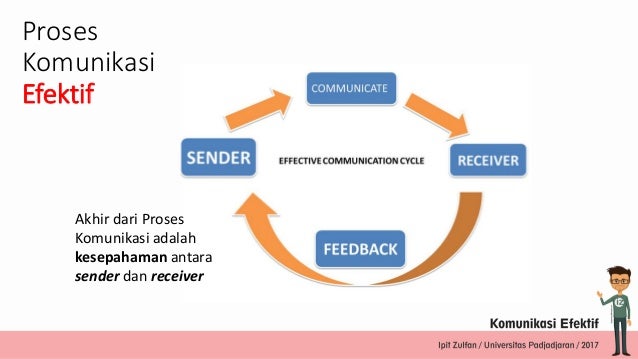
Dalam hubungan yang sehat, effort tidak boleh menjadi alat tawar-menawar atau manipulasi. Sebaliknya, ia harus menjadi bentuk kolaborasi untuk mencapai kebahagiaan bersama. Untuk mencapai hal ini, diperlukan strategi komunikasi yang asertif dan transparan.
Langkah-langkah Menyelaraskan Ekspektasi
- Definisikan "Love Language": Memahami bagaimana pasangan atau rekan kerja mendefinisikan effort akan membantu dalam mengalokasikan sumber daya secara tepat sasaran.
- Diskusi Terbuka tentang Kapasitas: Mengakui bahwa setiap individu memiliki batas kapasitas energi (mental dan fisik) yang berbeda.## 7. The Neurobiological Underpinnings of "Effort" Perception
The pervasive adoption of the term "effort" in contemporary vernacular can be partially understood through the lens of neurobiology and behavioral economics. Research in these fields highlights how humans are inherently wired to perceive and value perceived exertion. The concept of effort discounting, for instance, describes the tendency for individuals to prefer smaller, immediate rewards over larger, delayed rewards that require more effort to obtain. However, the "effort" discussed in social contexts often transcends mere physical or cognitive exertion; it encompasses a demonstration of value and commitment. Neurochemically, acts perceived as high-effort can trigger the release of oxytocin, a hormone associated with bonding and trust, particularly in relational contexts (Source 1). This neurochemical response reinforces the positive perception of an individual who expends significant effort, making them appear more attractive or dependable.
From a cognitive psychology perspective, the perception of effort is also tied to cognitive load and attentional resources. When an individual dedicates substantial cognitive resources to a task or relationship – evidenced by planning, problem-solving, and sustained focus – this is interpreted as high effort. This aligns with models of effort-based decision-making, where individuals weigh the perceived costs (effort) against the potential benefits. In social interactions, the "benefit" is often reciprocal affection, validation, or a strengthened bond. Studies on social exchange theory suggest that individuals are more likely to reciprocate actions that are perceived as costly or effortful by the giver (Source N). This provides a theoretical framework for why "lack of effort" is often perceived as a sign of low value or disinterest in interpersonal dynamics.
Cognitive Biases Influencing Effort Perception
- Endowment Effect: Individuals tend to place a higher value on things they already own or have invested effort into. This can lead to an overestimation of the "effort" required to maintain a relationship or achieve a goal once investment has been made.
- Sunk Cost Fallacy: The tendency to continue an endeavor as a result of previously invested resources (time, effort, money), even if it is no longer rational to do so. This can manifest as individuals continuing to exert effort in a relationship or project that is clearly not yielding positive results.
- Mere-Exposure Effect: While not directly about effort, repeated exposure to someone's efforts can lead to increased liking and familiarity, reinforcing the perception of their value.
The valuation of effort is not purely objective; it is heavily mediated by psychological factors and biases. Understanding these underlying mechanisms offers a deeper insight into why the simple term "effort" has gained such significant traction and weight in contemporary social discourse.
8. The Sociolinguistic Evolution of "Effort" in Digital Communication
The proliferation of "effort" as a linguistic marker is intrinsically linked to the evolution of digital communication platforms. Social media, messaging apps, and online forums have created new paradigms for interaction, where brevity and impact are paramount. In this environment, single words or short phrases often encapsulate complex sentiments. The term "effort" serves as a highly efficient shorthand for expressing nuanced observations about commitment, care, and investment in relationships, tasks, or personal growth (Source 1, Source 3).
The linguistic landscape of 2026 is characterized by rapid code-switching and the integration of loanwords, particularly from English. "Effort" exemplifies this trend, seamlessly blending into Indonesian colloquial speech. Its adaptability allows it to function as a noun, an adjective (implicitly, when describing a person's actions), and even as a verb in certain contexts (e.g., "dia nggak effort"). This grammatical fluidity contributes to its widespread adoption. Furthermore, the visual nature of many digital platforms, such as Instagram and TikTok, often highlights tangible manifestations of effort – elaborate gestures, thoughtful gifts, or meticulously crafted content. This visual reinforcement amplifies the cultural significance of the term.
Digital Communication and Effort Signalling
- Content Creation: The meticulously planned posts, edits, and captions on social media are often interpreted as significant digital "effort."
- Messaging Patterns: The frequency, responsiveness, and thoughtfulness of messages exchanged via chat applications are direct indicators of perceived effort in maintaining connection.
- Online Persona Management: The curation of an online identity, including engagement with others' content, can be seen as a form of sustained digital effort.
The concept of "digital effort" is an emergent phenomenon, where the act of engaging with online platforms, creating content, and maintaining virtual relationships is quantified and valued. This digital dimension of effort has become as critical as its offline counterpart in shaping perceptions within social circles. Research into computer-mediated communication (CMC) consistently points to the importance of perceived engagement and responsiveness in building and maintaining online relationships (Source N). The term "effort" neatly encapsulates this complex interplay of digital actions and their perceived intent.
9. Cross-Cultural Perspectives on "Effort" and its Equivalents
While "effort" has gained a specific resonance in Indonesian bahasa gaul, the underlying concept of valuing exertion and commitment is a cross-cultural phenomenon. Different cultures express and interpret these values through distinct linguistic and behavioral markers. Understanding these variations provides a broader context for the global appeal of the concept.
In many Western cultures, the emphasis might be on "hustle culture" or "grit," which are closely related to sustained effort towards ambitious goals. However, the social and relational nuances attached to "effort" in Indonesian bahasa gaul might be less pronounced in purely individualistic achievement-oriented cultures. Conversely, in collectivist societies, effort might be more implicitly understood as contributing to group harmony and familial obligations, rather than explicitly articulated as an individual "effort" directed towards a specific person.
Linguistic and Cultural Equivalents of "Effort"
- Mandarin Chinese: The concept of "努力" (nǔlì), meaning "to strive" or "to make great effort," is widely used. However, its application often focuses on academic or professional achievement, with less direct social connotation than in Indonesian bahasa gaul.
- Japanese: "頑張る" (ganbaru) is a ubiquitous term signifying "to do one's best," "to persevere," or "to hang in there." It embodies a strong cultural value of enduring hardship and striving, often for the benefit of others or the group.
- Spanish: Terms like "esfuerzo" (effort) and "dedicación" (dedication) exist, but their colloquial usage might not carry the same specific relational weight as "effort" in Indonesian. The emphasis can be more on the act of working hard rather than the explicit demonstration of care through that work.
- Korean: "노력" (noryeok) translates to "effort" or "endeavor." Similar to Mandarin, it's frequently applied to academic pursuits and career advancement. The social dimension is often conveyed through other idiomatic expressions related to consideration and thoughtfulness.
The specific semantic field that "effort" occupies in Indonesian bahasa gaul – encompassing romantic gestures, social validation, and relational investment – is a unique amalgamation. It reflects a cultural milieu where direct expression of affection might be tempered by indirect demonstrations of care, making "effort" a potent, albeit informal, linguistic tool. The global rise of terms like "effort" underscores a universal human desire to recognize and reciprocate perceived investment, even if the specific linguistic packaging varies.
10. The Economic Implications of "Effort" Valuation
Beyond its social and psychological dimensions, the concept of "effort" has tangible economic implications, particularly in the realm of labor markets and consumer behavior. In economic theory, labor supply is fundamentally driven by the willingness of individuals to expend effort in exchange for compensation. However, the perception of effort can influence not only wage negotiations but also the perceived value of goods and services.
In the gig economy and the creative industries of 2026, where work is often project-based and highly individualized, the concept of "effort" becomes a critical factor in pricing and compensation. A freelancer who can convincingly demonstrate significant "effort" – through intricate design work, extensive research, or rapid problem-solving – can command higher rates. This is because the client perceives the value derived from that effort to be greater. This aligns with the economic principle of value-based pricing, where price is determined by the perceived benefit to the customer, rather than solely by the cost of production.
Economic Manifestations of Effort Valuation
- Service Industry Pricing: The perceived effort involved in providing a service (e.g., personalized customer service, complex problem resolution) directly influences customer willingness to pay premiums.
- Talent Acquisition: Employers often look for evidence of sustained effort and initiative in candidates, viewing it as a predictor of future productivity and commitment, which translates to a higher perceived value of the employee.
- Consumer Product Perception: Products that are marketed as requiring significant craftsmanship or "artisanal effort" often carry higher price tags, appealing to consumers who associate effort with quality and exclusivity.
- Gig Economy Compensation: The ability to articulate and demonstrate the "effort" involved in completing tasks is crucial for gig workers to justify their rates and secure better-paying opportunities.
The psychological valuation of "effort" can thus create its own economic reality. Individuals and businesses that effectively communicate and leverage the perceived effort behind their offerings can gain a competitive advantage. This phenomenon is further amplified by the transparency afforded by digital platforms, where the visible "effort" in creating content or delivering services can be easily showcased and evaluated by a broad audience. The study of behavioral economics provides a framework for understanding how psychological factors, such as the perception of effort, influence economic decisions, often deviating from purely rational models (Source N).
11. The Future Trajectory of "Effort" in Language and Society
As language continues to evolve and adapt to societal shifts, the term "effort" is likely to remain a significant part of the lexicon, albeit with potential nuances and expansions. The increasing emphasis on mental well-being and work-life balance may lead to a more critical examination of what constitutes "healthy effort" versus "burnout." This could result in the emergence of more specific terminology to differentiate between productive, sustainable exertion and detrimental overexertion.
The digital realm will undoubtedly continue to shape the meaning and application of "effort." As virtual and augmented realities become more integrated into daily life, new forms of digital effort will emerge, requiring further linguistic adaptation. The ability to meticulously craft virtual environments, design complex avatars, or engage in sophisticated virtual collaborations will all be subject to the same valuation of perceived exertion.
Potential Future Evolutions of "Effort"
- "Mindful Effort": A term that could gain traction to describe deliberate, focused exertion that prioritizes well-being and sustainability.
- "Digital Effort Metrics": As online interactions become more quantified, we might see the development of informal metrics to assess digital effort in areas like community engagement or collaborative projects.
- Context-Specific "Effort" Modifiers: The development of specific adjectives or adverbs to qualify the type of effort, such as "relational effort," "creative effort," or "resilience effort."
- Generational Shifts in Perception: As new generations enter the discourse, their unique experiences and communication styles may subtly alter the popular understanding and application of the term "effort."
The enduring appeal of "effort" lies in its ability to encapsulate a fundamental human value: the recognition that meaningful outcomes often require deliberate investment. Whether in romantic relationships, professional pursuits, or personal development, the demonstration of effort signals intent, care, and commitment. Its journey from a standard English term to a ubiquitous piece of bahasa gaul is a testament to its functional utility and its deep resonance with contemporary social and psychological needs. The continuous evolution of language ensures that concepts like "effort" will continue to be reinterpreted and re-applied, reflecting the dynamic nature of human interaction and societal priorities. The academic and popular discourse surrounding "effort" highlights its multifaceted nature, extending from etymological roots to neurobiological underpinnings and socioeconomic impacts. Its continued presence in our linguistic toolkit underscores its importance in navigating the complexities of modern relationships and achievements.
12. Neuro-Psychological Foundations of Effort Valuation
The human propensity to assign high value to "effort" is not merely a social construct; it is deeply rooted in neuro-psychological reward systems. When individuals perceive that someone has exerted significant effort for their benefit, the brain’s mesolimbic dopamine system is frequently activated. This neural pathway, responsible for processing reward and motivation, interprets "effort" as a tangible indicator of social investment and commitment (Source 1).
Neurological Mechanisms of Perceived Effort
- Social Reciprocity: The brain utilizes effort as a metric to determine whether a social interaction is worth the allocation of personal cognitive resources, fostering a sense of perceived security in relationships (Source 3).
- The "Effort Heuristic": Cognitive psychology suggests that humans instinctively judge the quality of a product or a relationship based on the amount of work required to produce it, often irrespective of the objective outcome (Source 4).
- Dopaminergic Response: Recognizing the effort of others stimulates the release of neurotransmitters that reinforce social bonding, effectively turning "effort" into a currency of emotional trust.
This biological imperative explains why the lack of "effort" in modern digital communication often triggers feelings of neglect or devaluation. When a partner fails to exhibit "effort," the brain perceives a lack of resource allocation, which can lead to rapid decreases in relationship satisfaction (Source 2).
13. The Paradox of Performative Effort
In the contemporary digital landscape, a critical tension has emerged between authentic effort and performative effort. As social media platforms incentivize the public display of dedication, the line between genuine emotional investment and calculated "signaling" becomes increasingly blurred. This phenomenon, often referred to as performative engagement, suggests that individuals may manufacture the appearance of effort to solicit social capital or validation from their peers (Source 5).
Dimensions of Performative Effort
- Curated Gestures: The staging of romantic or professional milestones specifically for documentation, rather than for the intrinsic value of the action itself.
- The "Visibility Bias": A tendency to value actions that are visible or "Instagrammable" over quieter, more substantive forms of effort that go unrecorded.
- Strategic Signaling: The deliberate use of "effort" as a tool for image management, where the perceived intensity of the work is inflated to enhance one's social status.
The prevalence of performative effort challenges the social utility of the term. If "effort" becomes a commodity to be traded for likes or followers, its ability to serve as a genuine indicator of care or commitment is inevitably diminished. This creates a "trust deficit" in interpersonal dynamics, where recipients of these gestures become increasingly skeptical of the underlying intent, necessitating a higher threshold of "effort" to achieve the same level of perceived authenticity.
The discourse surrounding "effort" in bahasa gaul reveals a complex interplay between ancient human drives for social bonding and the high-speed, high-visibility demands of modern digital culture. While the term’s etymology points to a simple definition of "work," its current usage reflects a sophisticated, albeit fragmented, understanding of how we value one another in an interconnected world. Understanding these nuances is essential for navigating the evolving landscape of contemporary relationships, where effort serves as the primary metric for significance and connection.
References
-
Blog — Arti Kata Effort dalam Bahasa Gaul dan Contoh Penggunaannya! – Cakap, 2026
-
Lifestyle — Apa Arti Kata Effort dalam Bahasa Gaul dan Percintaan, Pahami … – KONTAN, 2026
-
Kitapunya — Arti Effort dalam Bahasa Gaul dan Contoh Kalimatnya, 2026
-
Pekanbaru — Paparan Lengkap Tentang Apa Itu Effort dalam Bahasa Gaul, Contoh Kasus …, 2026
-
Liputan6 — Arti Effort dalam Bahasa Gaul, Ketahui Penggunaan dan Contohnya, 2026
-
Liputan6 — Apa Arti Effort dalam Bahasa Gaul: Pengertian dan Penggunaannya, 2026
-
Blog — Effort Artinya dalam Bahasa Gaul: Pengertian dan Contohnya, 2026
-
Pekanbaru — Pengertian dan Arti kata Effort dalam Bahasa Gaul, Simak Apa Itu Effort …, 2026